Best LPG Dealership in Tamil Nadu – Reliable Gas Solutions by Petro Gas
If you are searching for an LPG gas company in Tamil Nadu, it is important to understand the services offered, the type of LPG supplied and the geographical areas covered.
Petro Gas can be approached to discuss relevant LPG requirements and available business or supply arrangements. Prospective dealers should confirm the current dealership opportunities, eligibility criteria, investment requirements and operating conditions directly with the company before making a commitment.
Domestic LPG Gas Solutions for Households
A dependable domestic gas supply helps households manage daily cooking requirements conveniently. Families generally look for a suitable supply arrangement that considers consumption levels, accessibility and safe handling.
A Domestic LPG gas company in Tamil Nadu should be evaluated on the basis of its service coverage, supply process, customer support and compliance with the regulations applicable to domestic LPG distribution.
Domestic LPG solutions are commonly relevant to:
• Individual households and residential properties
• Apartments and housing communities
• Small residential establishments
• Other eligible domestic cooking applications
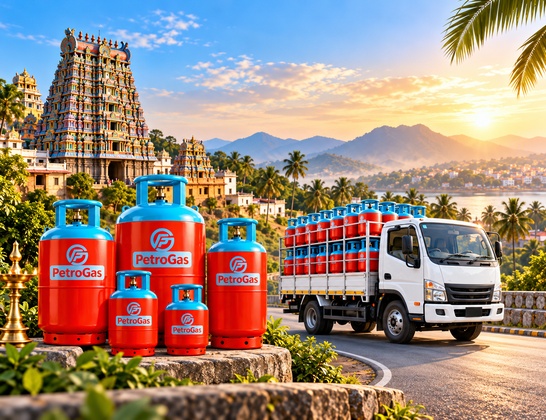
When selecting a domestic LPG supplier, customers should verify the applicable connection requirements, cylinder specifications, delivery arrangements and safety instructions.
Commercial LPG Gas Company in Tamil Nadu
Restaurants, hotels, catering businesses and food service establishments often depend on LPG for regular cooking operations. Their requirements may differ from household consumption because of higher usage volumes, operating hours and equipment specifications.
A Commercial LPG gas company in Tamil Nadu can support businesses by helping them identify suitable supply arrangements for their operational requirements.
Commercial LPG applications may include:
• Restaurants and cafés
• Hotels and hospitality businesses
• Catering companies
• Bakeries and food preparation units
• Institutional kitchens
• Commercial food processing operations
Before choosing a supplier, businesses should discuss expected consumption, delivery schedules, storage capacity and the compatibility of their cooking equipment. Proper installation, cylinder handling and ventilation are also important considerations.
Industrial LPG Gas Company in Tamil Nadu
Industrial operations may require LPG for controlled heating, thermal processing and other suitable fuel applications. The required supply arrangement depends on the production process, equipment design, consumption rate and site conditions.
An Industrial LPG gas company in Tamil Nadu should be able to discuss the technical and logistical considerations associated with the customer's application.
Industrial LPG may be relevant to:
• Manufacturing facilities
• Food processing units
• Industrial heating applications
• Certain metalworking processes
• Selected textile and ceramic operations
• Other suitable industrial processes
Businesses should assess fuel requirements with qualified technical personnel and confirm that the proposed storage, piping, pressure regulation and combustion systems meet applicable standards.
Residential LPG Gas Company in Tamil Nadu
Residential LPG requirements can vary according to household size, cooking frequency and property type. A suitable supply arrangement should prioritise convenience while maintaining appropriate safety standards.
A Residential LPG gas company in Tamil Nadu should provide clear information about service availability, applicable connection procedures and customer responsibilities.
Customers should always use approved LPG equipment, keep cylinders in appropriate locations and follow the supplier's safety guidance. Cylinders must not be modified, and suspected leaks should be treated seriously. If a leak occurs, avoid flames and electrical switches, follow the supplier's emergency instructions and contact the authorised emergency service.
Benefits of Choosing a Suitable LPG Supplier
Selecting the right LPG provider can help customers manage fuel requirements more effectively. Important benefits to consider include:
Supply planning: Understanding consumption patterns can help households and businesses plan replenishment requirements.
Application-specific solutions: Domestic, commercial and industrial users have different needs. The supply arrangement should match the intended application.
Safety awareness: Clear guidance on handling, storage and equipment use supports safer LPG operations.
Operational convenience: Appropriate delivery and coordination arrangements can help businesses manage their daily activities.
Informed decision-making: Transparent information about charges, terms, supply coverage and responsibilities helps customers compare available options.
Why Consider Petro Gas?
Choosing an LPG provider requires careful consideration of both service requirements and operational suitability. Petro Gas offers an opportunity for prospective customers to discuss their LPG needs and understand the options relevant to their application.
When evaluating Petro Gas or any LPG supplier, consider the following:
• Whether the required service is available in your location
• The type of LPG supply offered
• Applicable pricing and commercial terms
• Delivery arrangements and service coverage
• Relevant licences, authorisations and safety compliance
• Customer support and emergency procedures
• Equipment compatibility and installation requirements
For prospective dealership partners, it is particularly important to verify the company's current dealership policy, territory availability, contractual obligations and required investment before proceeding.
How to Get Started with Petro Gas
Getting started with an LPG supply enquiry or dealership discussion can follow a straightforward process.
Step 1: Identify Your Requirement
Determine whether you need domestic, residential, commercial or industrial LPG, or wish to enquire about a dealership opportunity.
Step 2: Share Your Location and Usage
Provide your location, intended application and approximate consumption requirements.
Step 3: Discuss Available Options
Contact Petro Gas to understand the relevant services, supply arrangements and eligibility conditions.
Step 4: Review Costs and Compliance
Ask for applicable pricing, contractual terms, documentation requirements and safety obligations.
Step 5: Confirm the Arrangement
Proceed only after verifying the required authorisations, supply terms and operational arrangements.
Frequently Asked Questions
1. How can I find the best LPG dealership in Tamil Nadu?
Compare potential providers based on authorisations, service coverage, supply arrangements, safety compliance, commercial terms and customer support. If you are considering Petro Gas, contact the company directly to confirm current dealership opportunities and eligibility requirements.
2. What should I check before becoming an LPG dealer?
Review the investment required, eligibility criteria, storage and distribution requirements, territory availability, applicable licences and contractual terms. LPG dealership operations must comply with relevant safety and regulatory requirements.
3. Which LPG company is suitable for commercial businesses in Tamil Nadu?
The right supplier depends on your location, consumption, equipment and delivery requirements. Compare service availability, supply capacity, safety procedures and pricing before selecting a commercial LPG provider.
4. Can LPG be used for industrial applications?
Yes. LPG is used in various suitable industrial heating and processing applications. Its suitability depends on the process, equipment specifications, ventilation, storage arrangements and compliance with applicable technical and safety standards.
5. How can I enquire about LPG services from Petro Gas?
Contact Petro Gas through its official communication channels and explain your location and requirements. Ask about available services, supply coverage, pricing, documentation and the process for proceeding with your enquiry.
Contact Petro Gas for LPG Solutions in Tamil Nadu
Whether you are exploring domestic supply, commercial fuel requirements, industrial LPG applications or a potential dealership opportunity, choosing a suitable provider starts with clear information and careful evaluation. Petro Gas can be contacted to discuss your LPG dealership in Tamil Nadu enquiry, understand the services relevant to your needs and clarify the next steps. Get in touch with the company to request current details about availability, supply arrangements, eligibility and applicable terms before making your decision.