Our Blogs
Digital Transformation in LPG Gas Distribution – New Business Trends
There is a significant transformation in the LPG gas business. Historically, LPG distribution has been very manual with manual booking system, physical records, physical inspection, and offline payments. In the current times, LPG is being transformed digitally to reach homes and companies. Efficiency, safety, and convenience for customers are being enhanced through technology, whether online booking platforms or smart delivery tracking.
In India, and most developing economies, the LPG is extremely important in fulfilling the household energy requirements. Government energy reports indicate that more than 300 million consumers in India rely on the use of lpg gas in their homes, and therefore, digital upgrades are necessary in order to be able to handle the mass scale of distribution.
The Emergence of Online Reservation and Mobile Apps
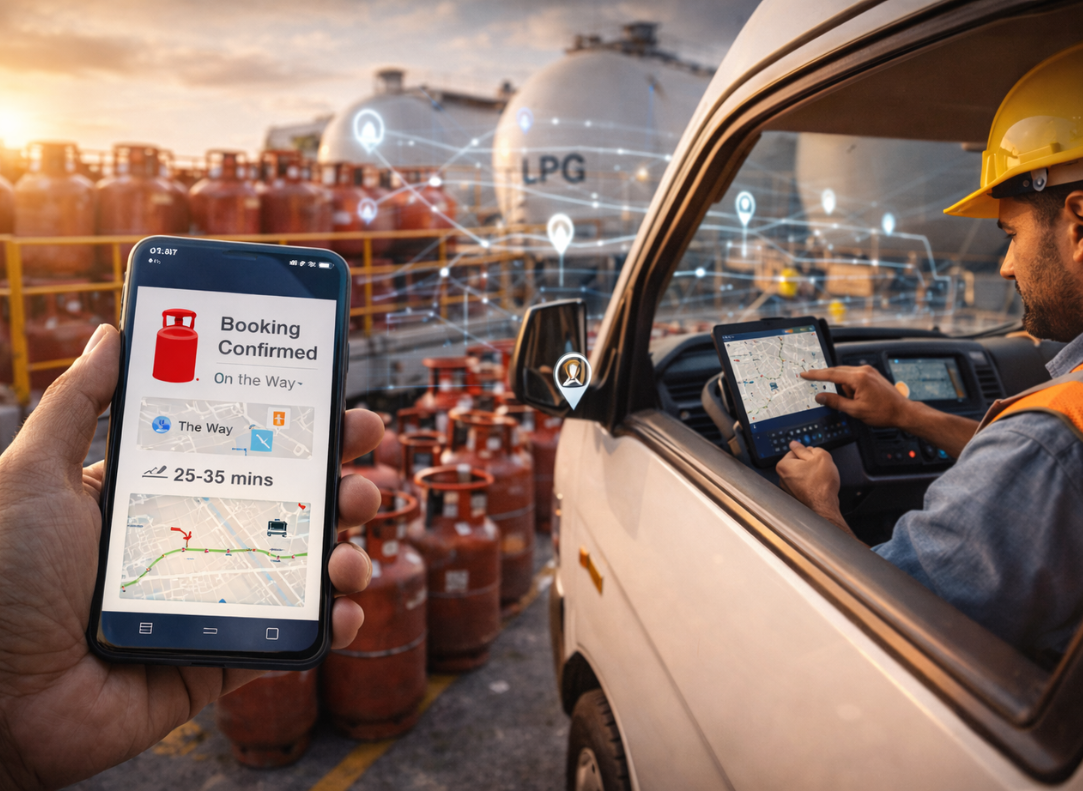
Digitization of manual booking is one of the most apparent changes in the way LPG is distributed. The customers are now able to book a domestic LPG gas cylinder using mobile applications, SMS services as well as online portals. This has shortened the waiting time and there has been no need to attend physical offices.
Digital systems also send automatic refill notifications, real-time booking status and e-invoices. These features make it more transparent and hassle-free to the households relying on lpg to serve their domestic needs.
Intelligent Supply Chain and Designated Tracking of Shipping
Backend operations are also being influenced by technology. Delivery vehicles that use GPS devices assist the agencies in following the routes as well as utilizing fuel efficiently. Digital inventory management systems track stocks in real time and minimize the possibility of shortage or excess inventory.
This fact-based strategy is beneficial in any lpg gas agency dealership to enhance operational efficiency. The agencies are able to estimate the demand better particularly during seasonal peaks like winter seasons or during festive seasons when the demand for cooking is higher.
Online Payments and Financial Openness
The other significant trend is the shift to cashless transactions. Cash payments have been substituted by UPI, debit cards, net banking, and mobile wallets in most areas. Online payments eliminate mistakes in handling and enhance accounting disclosure.
In the case of customers who use lpg as a household commodity, the electronic receipts would lead to the clear records of the payments and subsidy transfer. This openness has fortified the relationships between the distributors and consumers.
Information Analytics and Customer Intelligence
Data analytics are becoming a common practice among the modern LPG distributors in a bid to develop a concept of consumer behavior. The frequency and patterns of usage of refills by studying them would help the agencies to anticipate demand patterns and enhance service planning.
This transition is particularly useful when a customer can be served by thousands of customers each day by large-scale distributors. Precise information minimizes delays in delivering the products and increases reliability in the service.
Conclusion
The digital transformation of LPG gas distribution will not merely involve technology, but it will be about creating safer, high-speed, and more dependable system to every-day consumers. With the increasing number of households which rely on clean cooking fuel, digital applications will be a key factor in maintaining smooth supply chains.
The evolving ecosystem includes organizations like Petro Gas that adjust to new systems and digital processes to remain current with the changing standards in the industry. It is believed that in the years ahead, the efficiency and availability of LPG distribution in regions would be even more enhanced through more innovation.