Our Blogs
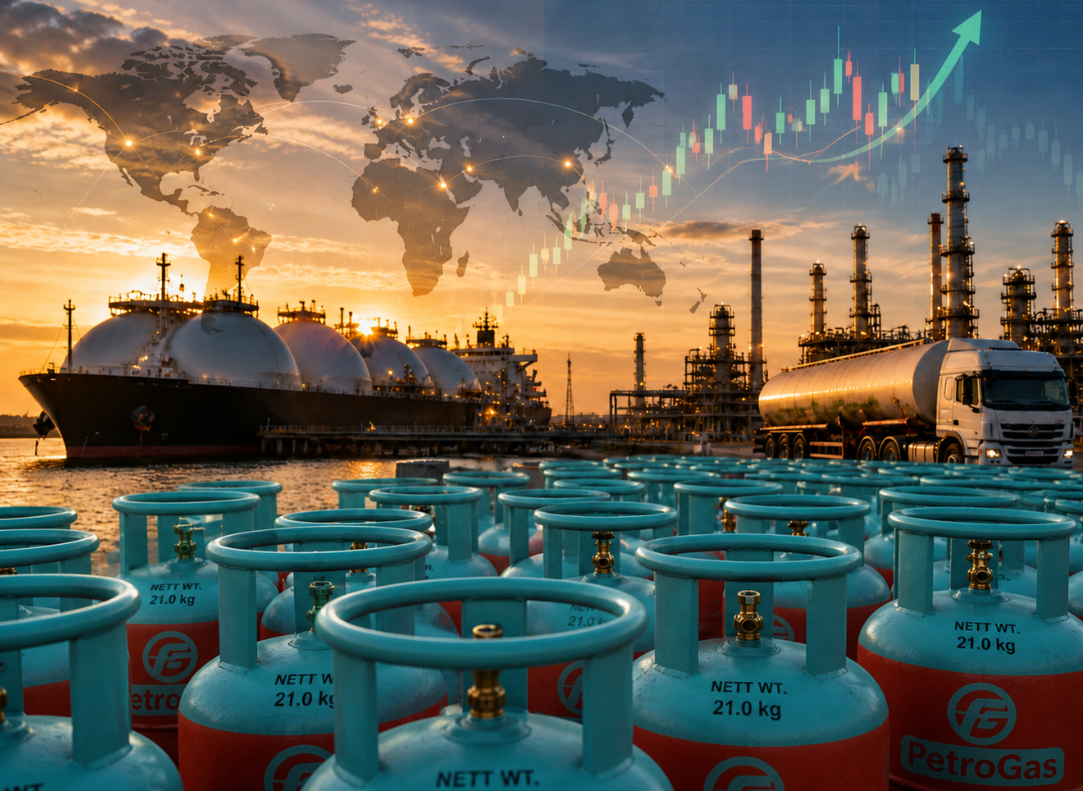
How Global Energy Trends Are Affecting LPG Availability and Pricing
Liquefied Petroleum Gas (LPG) is a crucial resource in households, industries, and companies in India. Its demand has been on the increase since cooking fuel has shifted to LPG to be used commercially in India. Nonetheless, the global energy trends are becoming dominant in determining the availability of LPG as well as the LPG gas price and it is therefore significant to know what is driving the changes.
Increasing Global Demand and Its Effect
Among the largest influences on the LPG supply is the increasing global demand. Third-world nations are moving towards cleaner fuels, and LPG is commonly perceived as a superior substitute to traditional fuels such as coal and firewood. This demand strain on supply chains is particularly straining the supply chain, particularly to countries that depend on imports.
India, although it has some of the largest LPG producers in India, imports a large percentage of its LPG. An increase in demand worldwide will result in an increase in competition in the supply, hence a rise in the cost of import-dependent countries.
Connection between Crude Oil Prices and LPG
LPG is closely associated with the production of crude oil and natural gas. As the global price of crude oil rises, the price of LPG tends to rise. This directly impacts the LPG gas price in India.
As an illustration, geopolitics, oil-producing countries reducing their production, or supply chain interruptions are factors that can cause oil prices to increase. This has consequently caused the burden to both domestic consumers and businesses through higher LPG prices.
Supply Chain Disruptions
LPG supply chains can be derailed by global events like wars, trade bans and shipping delays. Even established LPG suppliers can run short or become slow even in such periods.
This could result in a problem with LPG gas in India, particularly in rural or high-demand regions. Late deliveries or insufficient imports may affect the distribution that every LPG agency in India has to manage, leading to supply instability.
Government Policies and Subsidies
The government policies also contribute significantly to the pricing and availability of LPG. The pricing of LPG to consumers is affected by subsidies, taxation and importation duties.
Upon the withdrawal or lowering of subsidies, the end users would eventually incur higher final costs. This impacts not only households but also businesses that rely on the services of a bulk LPG supplier in India.
Move To Clean Energy.
The world is highly motivated to use renewable energy. Although LPG is viewed as a cleaner fossil fuel, long-term investments in solar, electric and other alternative energy sources would influence the demand trend of LPG.
In other countries such as India, though LPG will still be crucial as it is convenient and already installed particularly in the domestic and commercial applications.
Conclusion
The energy trends being experienced globally such as increased demand and fluctuations in the prices of oil, as well as policy shifts and supply interruptions, directly affect the availability and the prices of LPG. These aspects affect all aspects such as LPG dealership in India operations, to the affordability of the end-users.
Getting knowledge about these trends enables consumers and businesses to make better decisions. Such companies as Petro Gas are in this dynamic environment and adjust to global changes, preserving the stable supply in a changing energy market.