Our Blogs
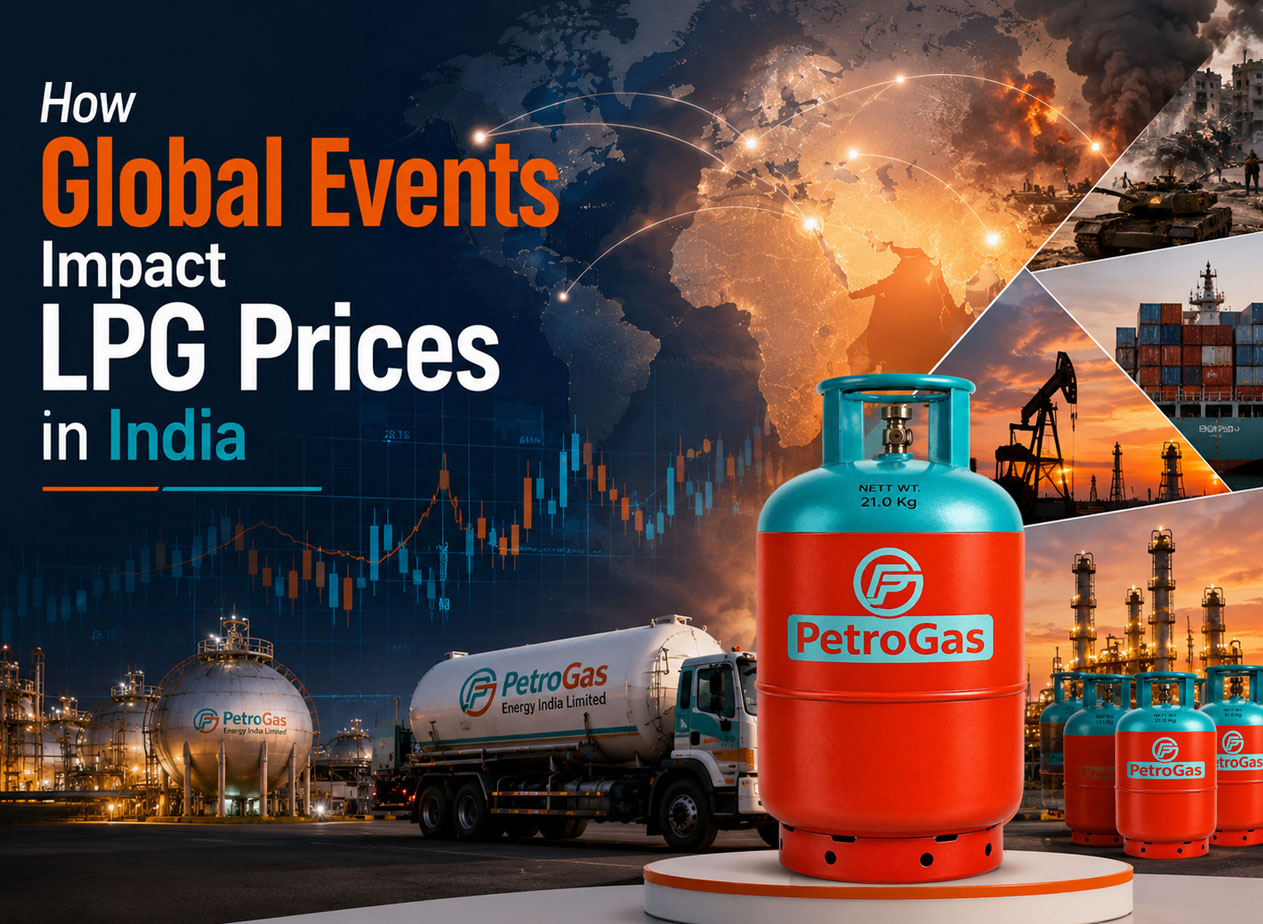
How Global Events Impact LPG Prices in India
The LPG price in India is influenced by more than just local demand and supply. Global events such as geopolitical tensions, crude oil price movements, shipping disruptions, and currency fluctuations play a significant role in determining how much consumers and businesses pay for LPG. Whether it is a household monitoring the domestic LPG gas price in India or a business tracking the commercial LPG gas price, international developments can directly affect fuel costs. Understanding these factors helps consumers and industries make informed decisions and prepare for future price changes.
Why Global Events Matter for LPG Prices
India imports a large share of its LPG requirements from international markets. This means global developments can quickly influence the LPG price in India. Even when local demand remains stable, changes in the international energy market often affect the final price paid by consumers.
Some of the biggest global factors include:
• Crude oil price fluctuations
• Geopolitical conflicts
• Changes in global LPG production
• Shipping and logistics disruptions
• Exchange rate movements
1. Crude Oil Prices Have a Direct Impact
Although LPG is a separate fuel, its pricing is closely linked to crude oil. When crude oil prices increase due to supply shortages or higher global demand, LPG prices usually follow the same trend.
For businesses monitoring the commercial LPG gas price, rising crude prices often increase operating costs, especially in industries that rely heavily on LPG for daily operations.
2. Geopolitical Events Affect Supply
International conflicts, sanctions, and political instability in oil-producing regions can interrupt LPG production and exports. Reduced supply in the global market creates price pressure for importing countries like India.
For this reason, unexpected global events often lead to short-term increases in the LPG price in India, even when domestic consumption remains unchanged.
3. Shipping Costs Influence LPG Prices
LPG reaches India through international shipping routes. Higher freight charges, port congestion, or disruptions in major trade routes increase transportation costs.
These additional expenses eventually affect both the domestic LPG gas price in India and the commercial LPG gas price, making logistics an important pricing factor.
4. Currency Exchange Rates Matter
Since LPG imports are generally purchased in US dollars, fluctuations in the Indian Rupee also influence pricing. A weaker rupee makes imports more expensive, increasing the overall LPG price in India even if international LPG prices remain stable.
5. Growing LPG Demand in India
The LPG deamand in India continues to increase due to urbanisation, industrial expansion, and wider access to clean cooking fuel. Higher demand can create additional pressure on imports, particularly when global supplies are limited.
Industries such as hospitality, food processing, manufacturing, and healthcare depend on a consistent LPG supply, making market stability increasingly important.
How Businesses Can Manage Price Fluctuations
Businesses that depend on LPG can reduce the impact of changing prices by planning ahead. Some practical strategies include:
• Monitor global energy market trends.
• Forecast fuel expenses in advance.
• Improve fuel efficiency wherever possible.
• Maintain sufficient inventory during stable pricing periods.
• Partner with dependable suppliers for uninterrupted availability.
These measures help businesses control costs even when the commercial LPG gas price experiences sudden changes.
Choosing a Reliable LPG Supplier
While businesses cannot control global events, selecting the right supplier helps minimise operational disruptions. Companies looking for an LPG dealership in India should evaluate supply reliability, safety standards, timely delivery, and customer support instead of focusing only on pricing.
A dependable supplier can ensure continuous fuel availability, allowing businesses to operate smoothly during periods of market volatility.
Conclusion
Global events will continue to influence the LPG price in India through crude oil movements, international trade, currency fluctuations, and changing supply conditions. At the same time, increasing LPG deamand in India means businesses and consumers should stay informed about market trends. Understanding these factors helps organisations plan fuel budgets more effectively and make smarter purchasing decisions.
For businesses seeking reliable LPG solutions, Petro Gas supports customers with dependable supply services, industry expertise, and a strong focus on safety, helping them manage changing market conditions with greater confidence.
FAQs
Why do LPG prices change frequently?
LPG prices change because they depend on international crude oil prices, global supply and demand, shipping costs, exchange rates, government policies, and seasonal consumption patterns. These factors can change regularly, leading to frequent price revisions.
How do global events affect LPG prices in India?
Global conflicts, production cuts, trade disruptions, and shipping delays reduce LPG availability or increase transportation costs. Since India imports a significant quantity of LPG, these international developments directly influence the LPG price in India.
Does crude oil impact LPG prices?
Yes. LPG pricing is closely linked to crude oil markets. When crude oil prices increase due to higher demand or supply shortages, LPG prices generally rise as well, affecting both residential and commercial consumers.
Can businesses prepare for LPG price fluctuations?
Businesses can prepare by monitoring market trends, forecasting fuel expenses, improving energy efficiency, maintaining adequate inventory, and partnering with reliable suppliers that ensure consistent LPG availability despite changing market conditions.
How can a reliable LPG supplier help during price changes?
A trusted supplier provides timely deliveries, dependable inventory management, transparent pricing, and consistent customer support. This helps businesses maintain uninterrupted operations even when LPG prices fluctuate because of global market conditions.