Our Blogs
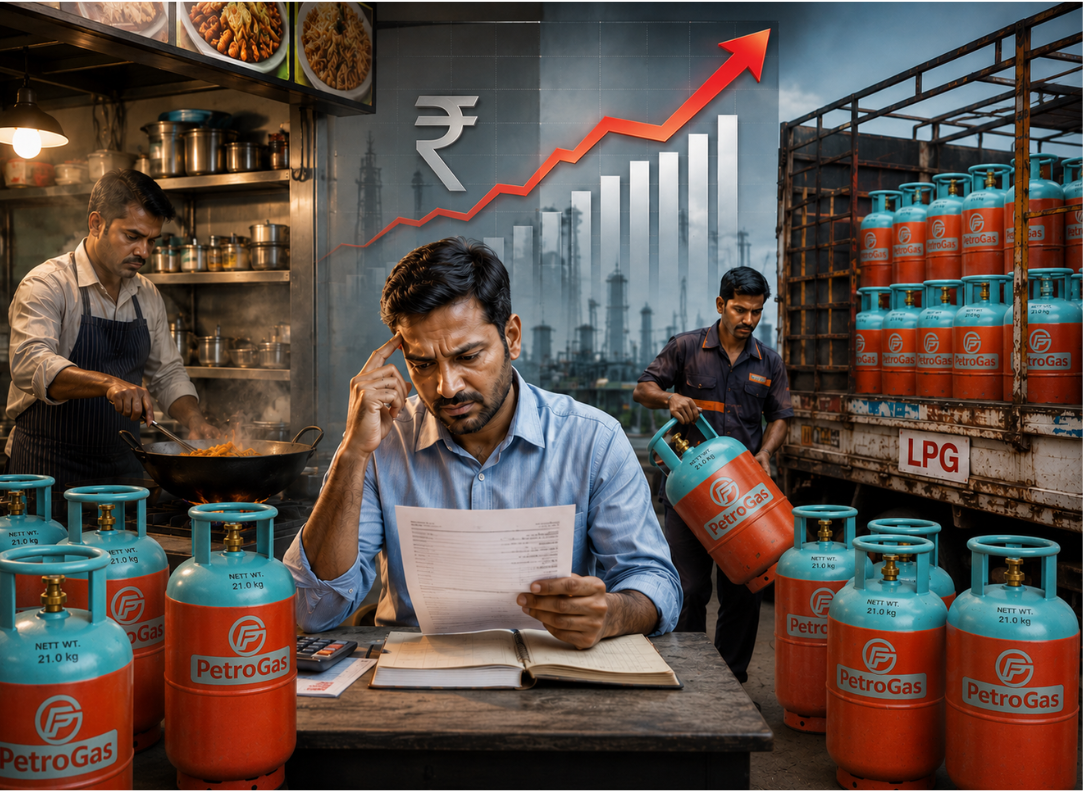
How Rising LPG Prices Are Affecting Businesses & LPG Dealers in India
Over the past several years, LPG prices in India have risen steadily due to fluctuations in global crude oil prices, transportation costs, and changing government policies. India is one of the biggest LPG producers and also a major importer of LPG, and hence, fluctuations in the international market affect domestic LPG prices. Now, small businesses, restaurants, factories, transport operators, and LPG dealers across the country are in a fix due to rising LPG prices. Many domestic LPG suppliers, commercial LPG suppliers, and bulk LPG suppliers are also witnessing operational challenges because of changing market conditions.
Impact of Rising LPG Prices on Small Businesses
One of the worst hit by the increasing price of LPG are the small and medium enterprises. LPG is used by restaurants, tea stalls, bakeries, catering units and food processing units to cook and heat food. If the price of LPG increases, then the monthly expenditure on LPG also increases considerably. Many businesses depend on LPG gas for home use, LPG for domestic use, and domestic LPG gas cylinder services to maintain regular operations.
Building owners are required to raise product prices to control costs. However, when prices are high, they might lead to a decrease in customer numbers and a drop in profitability. There has also been a reduction in staff costs or in production, to meet costs in some places. For smaller operators, increased LPG prices are making it difficult to stay in business in competitive markets. Commercial LPG is also becoming a problem for manufacturing units. The ceramics, textiles, and metal processing industries rely on stable fuel costs and continuous support from industrial LPG suppliers and liquid petroleum gas suppliers.
Challenges Faced by Indian LPG Dealers
LPG dealers are also facing problems as LPG prices are rising. Many customers are now postponing their cylinder refill or opting for smaller refills to save money. It has a direct impact on the sales volume of local dealers and LPG distributors. Many domestic LPG gas suppliers and best LPG gas suppliers are trying to maintain supply efficiency despite lower customer demand.
Transportation costs are also much higher. The cost of delivering cylinders to remote and rural areas has increased due to rising fuel prices. Operational costs are increasing faster than the commission structure, leading to decreased profits for dealers in some cases. For every bulk LPG supplier and cheapest bulk LPG supplier, transportation and logistics management have become increasingly difficult.
The other hurdle is customer dissatisfaction. Prices are subject to market forces, but consumers frequently assume responsibility for increases in prices, that is, by the local dealers. It strains dealer relationships and erodes customer trust.
Changing Consumer Behaviour Due to LPG Prices
More consumers are being conscious about LPG consumption. Nowadays, there is increasing interest in ways to save fuel and energy-efficient appliances in many households and businesses. A range of commercial users are considering electric cooking systems or alternative fuels to minimise reliance on LPG. Many consumers using LPG home gas suppliers and LPG for home use services are now carefully monitoring fuel usage to reduce monthly expenses.
This shift in behaviour may gradually alter future demand patterns in the Indian LPG market. Dealers and businesses will have to make changes by enhancing the quality of their service, delivery efficiency, and customer support. Industries depending on LPG for industrial use, industrial LPG gas, and LPG gas for industrial use are also exploring more fuel-efficient systems to reduce operational costs.
Growing Demand for Industrial and Bulk LPG Supply
Despite rising prices, the demand for industrial and commercial LPG continues across multiple sectors. Manufacturing plants, factories, and large-scale commercial kitchens continue to rely on LPG gas manufacturing systems and uninterrupted fuel supply. The use of LPG cylinder for industrial use, LPG gas cylinder for industrial use, and LPG industrial cylinder solutions remains essential for maintaining production efficiency.
At the same time, many businesses continue to work with bulk LPG suppliers and commercial LPG gas suppliers to secure stable fuel availability and avoid operational disruptions.
Conclusion
The ever-rising prices of LPG are impacting not only businesses but also LPG dealers in India. There are several industries affected by this, ranging from rising operating costs to shifting customer habits. Businesses are looking to cut costs, and dealers are dealing with rising delivery costs and lower sales figures. Companies associated with commercial LPG, industrial LPG supplier services, and domestic LPG suppliers are operating in a rapidly changing market environment and amid shifting consumer demand trends.
A range of companies, such as Petro Gas, are adapting to these market challenges by improving supply efficiency, customer service, and operational management while continuing to support the growing demand for reliable LPG solutions across India.