Our Blogs
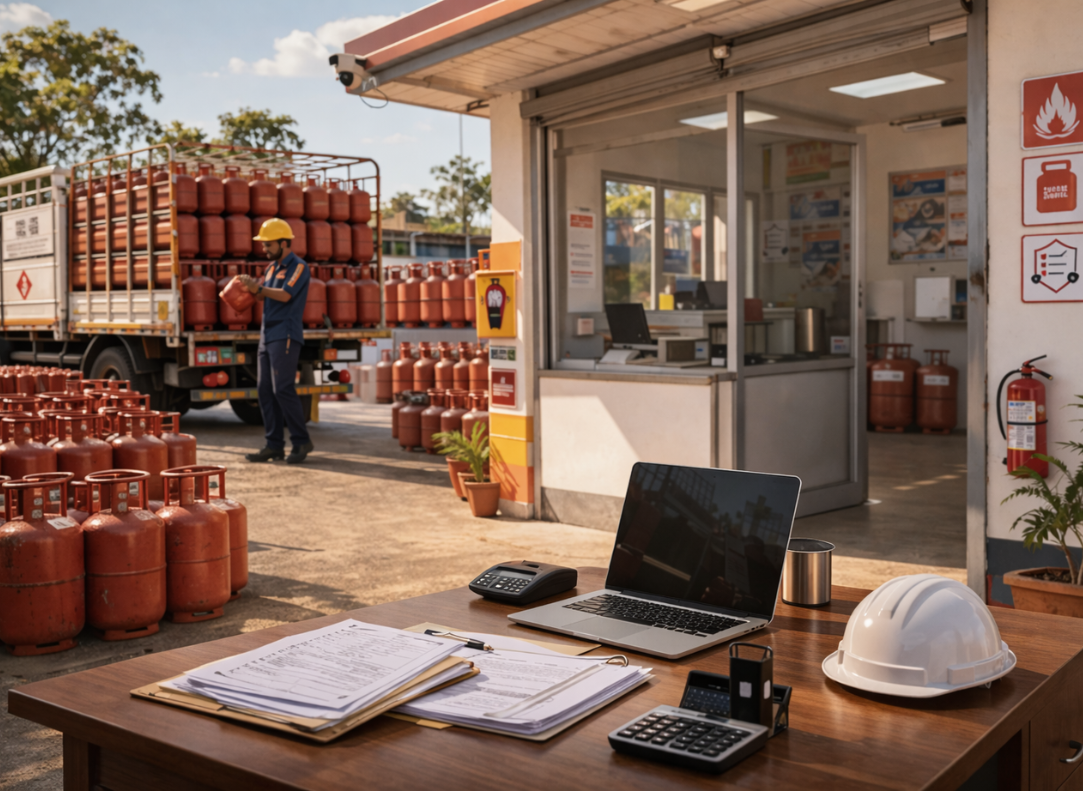
How to Start an LPG Gas Dealership in India
Liquefied Petroleum Gas (LPG) is a very crucial commodity in the household, restaurants, hotels, and industries in India. At the onset of increasing need of clean cooking fuel and commercial energy solutions, an LPG dealership business in India can be an effective venture to invest in. This process however involves proper licensing, investment and adherence to safety requirements.
This article presents a description of the necessary procedures and conditions to begin an LPG gas dealership in India.
Learning the LPG Distribution System in India
One should know how LPG distribution functions before embarking on an agency dealing in LPG gas in India. Public sector firms like Indian Oil, Bharat Petroleum and Hindustan Petroleum are the major producers and distributors of LPG in India. These firms have designated dealers or distributors who distribute LPG cylinders to the individual and business consumers.
LPG has been extensively applied in domestic cooking purposes and LPG in commercial applications in India particularly in hotels, restaurants, food processing plants and manufacturing industries. This predictable demand will ensure that LPG distribution is a predictable business sector.
Requirements to be an LPG Dealer
In order to apply to be an LPG dealership, the applicant has to fulfill some conditions of eligibility stipulated by oil marketing companies. The overall requirements are:
• The applicants should be Indian nationals.
• The age limit is normally 21 years.
• A minimum education level, usually 10th or 12th.
• The applicant must have sufficient financial ability to operate the dealership.
Certain categories of dealership opportunities can also be reserved like the women entrepreneurs, ex-servicemen or rural candidates.
Investment and Infrastructure Requirements
Establishing a dealership in LPG involves initial capital investment in infrastructure and safety equipment and operation. The investment can be different based on the place and type of dealership.
The most important infrastructure requirements are:
• An appropriate customer service and administration office.
• Storage area or godown that the safety authorities have met.
• Vehicles used to deliver cylinders.
• Fire-protection and safety equipment.
Storage and handling facilities should be properly handled and stored since LPG is a highly flammable fuel. In the case of LPG cylinders and distribution networks, safety requirements are to be adhered to.
Licensing and Approvals
The most significant action is to receive the licenses. The applicants are required to apply based on the official advertisements of dealerships that are promoted by oil marketing companies.
The process more often involves:
• Online application when opening dealerships.
• Background checks and document checks.
• Recruitment via draw or merit system
• Permission from local authorities and safety departments.
The storage facility should also be approved by Petroleum and Explosives Safety Organization (PESO). Such approvals guarantee the adherence to the national safety standards by the dealership.
Conclusion
The process of establishing an LPG dealership is something that has to be planned, regulated, and has to be devoted to the safety standards. As the need of clean energy and cooking fuel continues to increase, the LPG business has a consistent business prospects among business people in India.
The Petro Gas is one of the organization in this ever-growing industry that provides LPG solutions and maintains the rest of the distribution system which supplies safe and reliable gas supply to homes and businesses.