Our Blogs
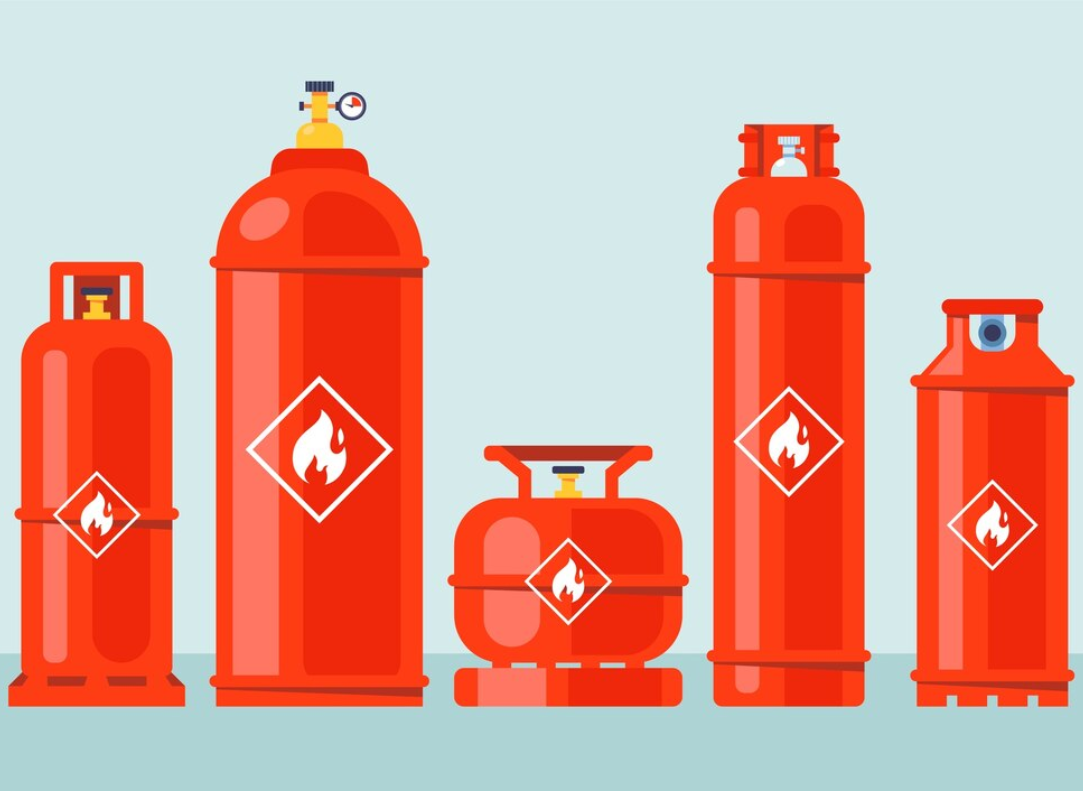
LPG vs Other Household Fuels — Cost, Efficiency & Safety Compared
The decision of the appropriate cooking fuel is a significant domestic choice. It has an impact on monthly costs, convenience in cooking, health, and safety. The families of India are usually using LPG, electricity, PNG, kerosene, and in some cases solid fuels such as firewood. These two solutions have their pros and cons. This blog provides a comparison of LPG and other domestic fuels in terms of cost, efficiency and safety to enable the users make the right decision.
Learning about the Domestic Energy
The fuels used to carry household cooking can broadly be classified as either clean fuels and traditional fuels. Clean fuels are LPG and electricity whereas the traditional fuels are kerosene, coal, and firewood. Clean fuels are relatively safer, emit less smoke, and they are efficient in cooking on an everyday basis.
Comparison of Cost of Household Fuels
The cost is a significant factor in the choice of fuel. Prices of electricity are different among states and slabs and electric cooking appliances usually have high power consumptions. PNG is only cost-effective in areas where it operates but it is restricted. Kerosene might appear cheaper at first glance, however, its inefficiency makes its consumption more extensive.
Home LPG gas is still affordable in the long run to many Indian families. The LPG gas cylinder is a domestic gas cylinder that lasts an average family a month and this makes it easier to budget. The price of LPG is controlled and domestic subsidies also make it easier to bear the costs of the required households.
Efficiency and Convenience in Cooking
Efficiency is the rate of fast and uniform food cooking. LPG is also high in calorific value thus it cooks faster and offers better control of heating. Electric stoves require longer time to heat, and power-outages can be a problem when cooking. Conventional energy sources such as firewood dissipate a lot of energy to the environment and need regular maintenance.
Due to its stability and convenient supply, LPG to domestic use is regarded as one of the most convenient choices to conduct day-to-day cooking, particularly in the urban and semi-urban households.
Safety Factors to Consider
The issue of safety is a grave issue in the house. LPG is not harmful provided that it is used properly with certified cylinders, regulators and frequent leak inspections. The LPG cylinders used today have safety valves in order to avoid accidents.
On the contrary, kerosene-powered stoves also have a high fire risk, whereas firewood causes toxic indoor air smoke which is associated with respiratory diseases. Electric cooking is harmless and requires sufficient wiring and constant flow of power.
Environmental and Health Impact
Combustion of clean fuels such as LPG does not produce much smoke and fewer indoor pollutants. Conventional fuels discharge polluting particles that impact air quality and healthy living in the long run especially to women and children.
Conclusion
Among cost effectiveness, safety, and health effects, LPG is a balanced household fuel. It is also significant in broader business prospects of energy access and distribution in india to help in the organized fuel supply networks. This functioning is common with Petro Gas, the brand that is related to conscientious LPG awareness and domestic fuel literacy.